



NEWS
ZHEJIANG ORYARWA COMMUNICATION EQUIPMENT CO..LTD
23
2025
-
02
Unraveling the Magic of Fiber Optic Connectors
The Backbone of Modern Connectivity
In today’s fast-paced digital world, speed and reliability are paramount. Have you ever wondered what makes high-speed internet possible? Enter the Fiber Optic Connector, a marvel of modern technology that has revolutionized the way we communicate.
What Exactly is a Fiber Optic Connector?
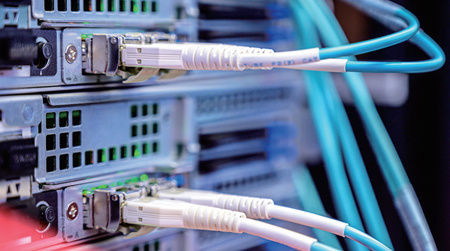
A Fiber Optic Connector is a device that joins optical fibers and allows for the efficient transfer of data. Unlike traditional copper connectors, fiber optic connectors transmit signals using light, which not only increases speed but also enhances bandwidth. Pretty neat, right?
Types of Fiber Optic Connectors
There are several types of fiber optic connectors, each designed for specific needs. The most common include:
- SC (Subscriber Connector): Known for its push-pull design, making it easy to connect and disconnect.
- LC (Lucent Connector): A compact connector that’s popular in high-density applications.
- ST (Straight Tip): Features a bayonet-style coupling mechanism and is often used in network environments.
Why Choose Fiber Optic Connectors?
You might be asking, "Why bother with fiber optics?" Well, let me tell you! Here are three compelling reasons:
- Speed: Fiber optics can transmit data at the speed of light – talk about fast! They can handle multiple signals simultaneously, making them ideal for data-heavy applications.
- Distance: Fiber optic cables can transmit data over much longer distances than copper cables without signal loss. Need to connect devices located miles apart? No problem!
- Durability: Fiber optic connectors are less susceptible to interference from electromagnetic fields, making them a reliable choice in a variety of environments.
Applications of Fiber Optic Connectors
From the internet in your home to the vast networks used by businesses, Fiber Optic Connectors are everywhere. Here are a few applications that showcase their versatility:
- Telecommunications: Fiber optics revolutionized the telecom industry, enabling faster and more reliable communication.
- Data Centers: With the explosion of big data, data centers rely on fiber optics to manage massive amounts of information.
- Broadcasting: TV and radio stations use fiber optics to transmit high-quality audio and video signals.
Installing Fiber Optic Connectors
Setting up fiber optic connections may sound intimidating, but it’s not rocket science! Here’s a quick rundown of the installation process:
- Preparation: Start by cutting the fiber optic cable to the desired length.
- Stripping: Carefully strip the outer layer of the cable to expose the glass fibers.
- Cleaving: Make a clean cut on the fiber to ensure optimal signal transmission.
- Connecting: Insert the fiber into the connector and secure it. Voilà!
Tips for Choosing the Right Fiber Optic Connector
When it comes to selecting the best Fiber Optic Connector, keep these tips in mind:
- Consider the application: Different connectors serve different purposes.
- Think about compatibility: Ensure the connector matches your existing equipment.
- Quality matters: Opt for reputable brands to ensure durability and performance.
The Future is Bright with Fiber Optics
As our reliance on digital communication continues to grow, the importance of Fiber Optic Connectors can’t be overstated. They are the unsung heroes of our hyper-connected world, enabling everything from streaming our favorite shows to powering global communication networks.
So, the next time you enjoy a seamless online experience, remember the little connector that made it all possible. Isn’t technology amazing?
Relevant news


CONTACT US
Add: No.1 Yonghe Third Road, Industrial Functional Zone, Chengdong Street, Yueqing City, Wenzhou City, Zhejiang Province
Tel: +86-577-62315998
Wechat : +86-15067871794
Fax: +86-577-62328331
E-mail: bonnie.chen@ouyahua.com