



NEWS
ZHEJIANG ORYARWA COMMUNICATION EQUIPMENT CO..LTD
23
2025
-
03
Navigating the World of Fiber Optic Connectors: Answers to Common Questions
What’s the Buzz Around Fiber Optic Connectors?
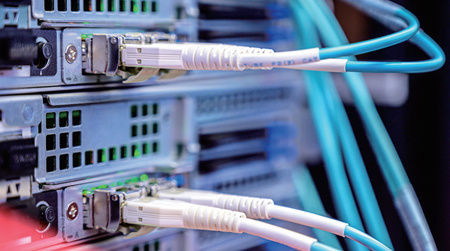
Hey there! If you’ve ever wondered about the mysterious world of Fiber Optic Connector technology, you’re in for a treat. These little gadgets are the unsung heroes of modern connectivity, making it possible for us to stream movies, play games, and work from home with lightning-fast internet. But what exactly are they, and why do they matter? Let’s break it down!
Understanding Fiber Optics
First off, let’s get our definitions straight. Fiber optics refer to the technology that uses thin strands of glass or plastic to transmit data as light signals. Pretty cool, right? And at the heart of this technology are the Fiber Optic Connectors. These connectors ensure that the light pulses travel seamlessly from one fiber to another. Think of them as the crucial link in a long chain — if one link is weak, the whole chain falters.
Why Do We Need Fiber Optic Connectors?
So, you might be thinking, "Why can’t we just use regular connectors?" Well, here’s the deal: traditional connectors can’t handle the high speeds and bandwidth that fiber optics can. If you want to enjoy a smooth, uninterrupted experience — whether you’re downloading the latest blockbuster or video chatting with grandma — you need reliable Fiber Optic Connectors. They minimize signal loss and keep your data flowing like a river!
Common Types of Fiber Optic Connectors
Now, let’s dive into the nitty-gritty. There are several types of Fiber Optic Connectors out there, each with its own unique benefits:
- SC (Subscriber Connector): Known for its push-pull design, it’s a popular choice in telecom.
- LC (Lucent Connector): Smaller and perfect for high-density applications.
- ST (Straight Tip): A classic connector that’s easy to use and reliable.
- MTP/MPO (Multi-Fiber Push On): Great for data centers needing multiple fibers in one go.
Frequently Asked Questions
Let’s tackle some common questions folks have about Fiber Optic Connectors. Spoiler alert: you might be surprised by the answers!
1. Can I use any connector with my fiber optic cables?
Hold your horses! Not all connectors are created equal. You need to match the connector type with the fiber type to avoid compatibility issues. It’s like trying to fit a square peg in a round hole — it just won’t work!
2. How do I clean my fiber optic connectors?
Ah, cleanliness is next to godliness! Use a lint-free cloth and a specialized cleaning solution to wipe down the connectors. Dust and grime can lead to signal loss, so keep those connectors spick and span!
3. What happens if a connector breaks?
Yikes! A broken Fiber Optic Connector can cause major headaches. If you’re tech-savvy, you might be able to replace it yourself. If not, calling in a professional might be the best bet. Better safe than sorry!
The Future of Fiber Optic Connectors
Looking ahead, the demand for high-speed internet is only going to increase. With the rise of smart homes, IoT devices, and endless streaming options, Fiber Optic Connectors will play a pivotal role in our digital lives. They’re not just connectors; they’re gateways to the future!
Wrapping It Up
In conclusion, understanding Fiber Optic Connectors is essential for anyone looking to get the most out of their internet experience. Whether you’re a tech enthusiast or just someone who loves binge-watching shows, these connectors are your best friends. So, the next time you plug in, remember the unsung heroes behind the scenes!
Relevant news


CONTACT US
Add: No.1 Yonghe Third Road, Industrial Functional Zone, Chengdong Street, Yueqing City, Wenzhou City, Zhejiang Province
Tel: +86-577-62315998
Wechat : +86-15067871794
Fax: +86-577-62328331
E-mail: bonnie.chen@ouyahua.com